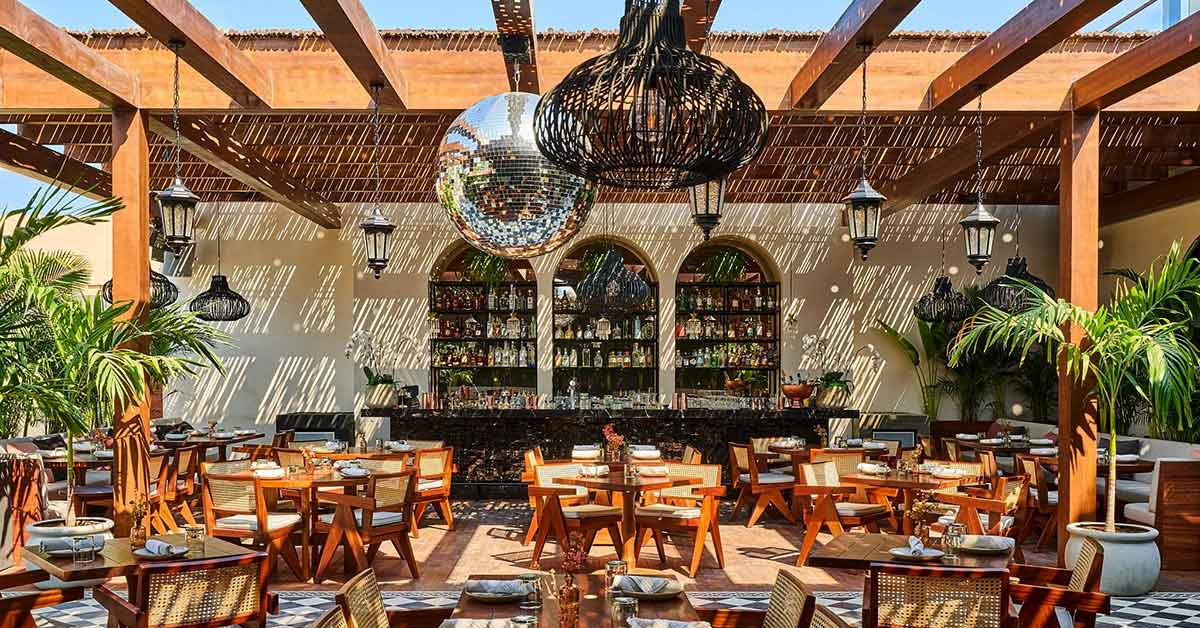
Choosing the right timber for outdoor structures can feel overwhelming. However, the decision becomes clearer when you compare engineered laminated timber vs solid timber side by side. In Spain’s warm Mediterranean climate, pergolas must handle sun, heat, salt air near the coast, and sudden rain. Because of that, material choice directly affects how long your structure lasts and how it looks over time.
Engineered timber vs solid timber is not just a technical debate. Instead, it’s about lifestyle, sustainability, and long-term value. Homeowners in places like Estepona and Benahavís often want pergolas that combine beauty with strength. Meanwhile, luxury resorts and villas demand materials that age well and stay structurally sound.
In short, this guide helps you make a confident choice. We’ll break down performance, durability, cost, and design—without jargon and with practical examples.
What Is Engineered Laminated Timber?
Engineered timber is created by bonding multiple layers of wood together using high-strength adhesives. This process forms beams that are stronger and more stable than single solid pieces.
How Engineered Laminated Timber Is Manufactured
The wood layers are dried, aligned with the grain, and glued under pressure. As a result, weaknesses are minimized, and strength is spread evenly across the beam. Therefore, large spans and elegant designs become possible.
Common Types of Laminated Timber Used in Pergolas
- Laminated pine
- Premium hardwood laminates (such as iroko laminates)
- Glulam beams
This makes engineered laminated timber a go-to choice for modern pergola structures across Spain.

What Is Solid Timber?
Solid timber is cut directly from a tree and shaped into beams or posts. It has been used in construction for centuries and still carries timeless appeal.
How Solid Timber Is Sourced and Prepared
After harvesting, timber is dried (air-dried or kiln-dried) before being shaped. However, natural imperfections remain. This gives solid timber its charm—but also its challenges.
Common Solid Timber Species Used Outdoors
- Pine
- Eucalyptus
- Iroko
Solid timber suits rustic or traditional designs. Yet, it may need more care over time.

Structural Strength and Load-Bearing Capacity
When comparing engineered timber vs solid timber, strength is a key difference. Laminated timber is engineered to carry heavy loads without bending. That’s why large-span pergolas often rely on laminated beams.
Solid timber is strong too. However, its strength can vary depending on knots and grain patterns. Over time, stress points may appear, especially in outdoor environments.
In practice: Laminated timber offers predictable strength. Solid timber offers natural strength with some variability.
Resistance to Warping, Cracking, and Shrinkage
One of the biggest advantages of engineered laminated timber vs solid timber is stability. Laminated beams are less likely to warp or crack because opposing wood grains balance each other out.
Solid timber, on the other hand, can twist or split as it dries and ages. While some people love this “character,” others prefer clean, modern lines that stay true over time.

Design Flexibility and Aesthetic Appeal
Engineered laminated timber allows longer spans and sleeker profiles. This supports contemporary pergola designs often seen in luxury villas.
Solid timber shines in traditional aesthetics. It offers warmth and visible grain patterns that feel organic and timeless.
So, the choice depends on your design vision: modern elegance or rustic charm.
Maintenance Requirements Over Time
Engineered timber requires less ongoing adjustment. Regular sealing and cleaning are usually enough.
Solid timber may need more frequent treatment. Oils, stains, and sealants help prevent cracking and discoloration. Therefore, long-term maintenance costs can be higher with solid timber.
Fire Performance and Safety Considerations
Laminated timber can be treated with fire-retardant solutions. This improves safety without sacrificing appearance. Solid timber can also be treated, although performance varies by species.
For hospitality projects and public spaces, fire performance is a critical factor in choosing materials.

Conclusion
When weighing engineered laminated timber vs solid timber, the right answer depends on what you value most: modern performance or traditional charm. Laminated timber offers strength, stability, and efficiency. Solid timber brings warmth and heritage. Either way, a well-designed pergola enhances outdoor living and adds lasting value to your home.
FAQs
Frequently Asked Questions

About Cape Reed Team
Our expert team at Cape Reed Spain brings decades of experience in sustainable thatching and premium outdoor living solutions.
You Might Also Like
Discover more outdoor living inspiration
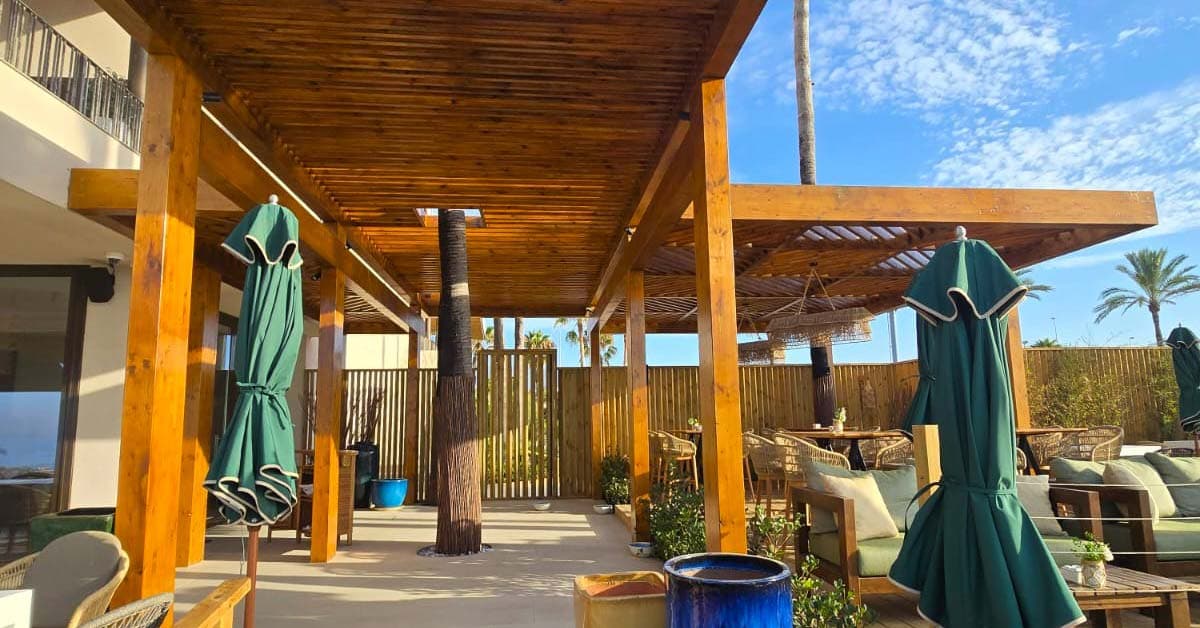
Laguna Beach Resort, Estepona
Cape Reed proudly unveils its latest project — a beautiful timber pergola installation at the luxurious Laguna Beach Res...
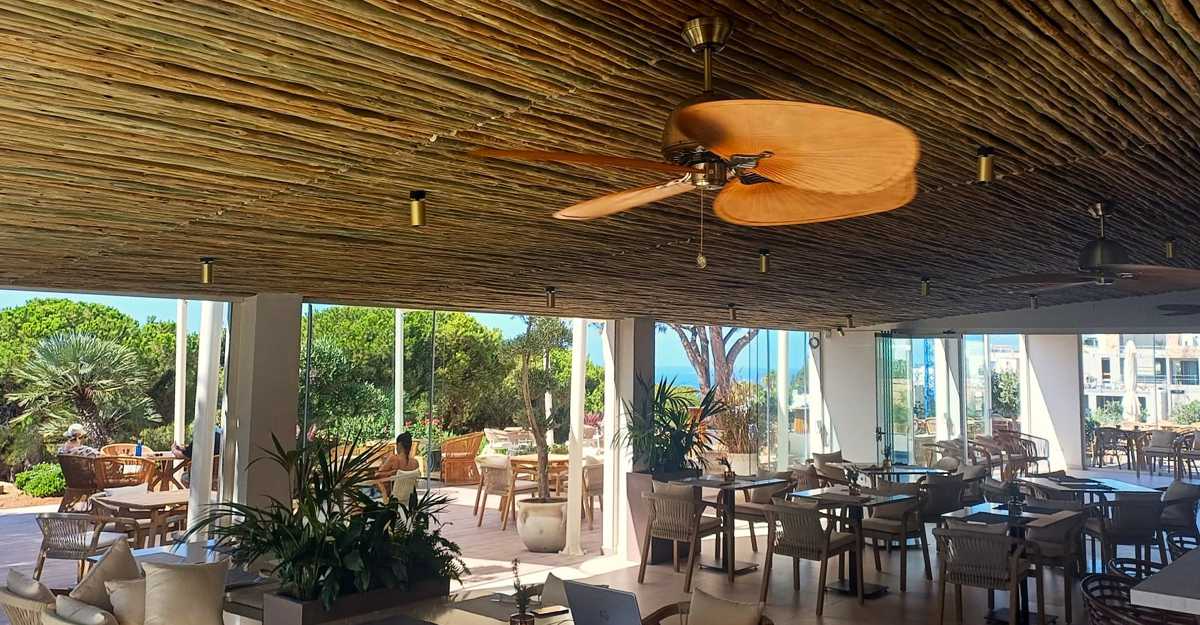
Luma Restaurant, Cabopino Golf Marbella
Cape Reed is thrilled to unveil our latest project at Luma Restaurant, located in the heart of Cabopino Golf Marbella. T...
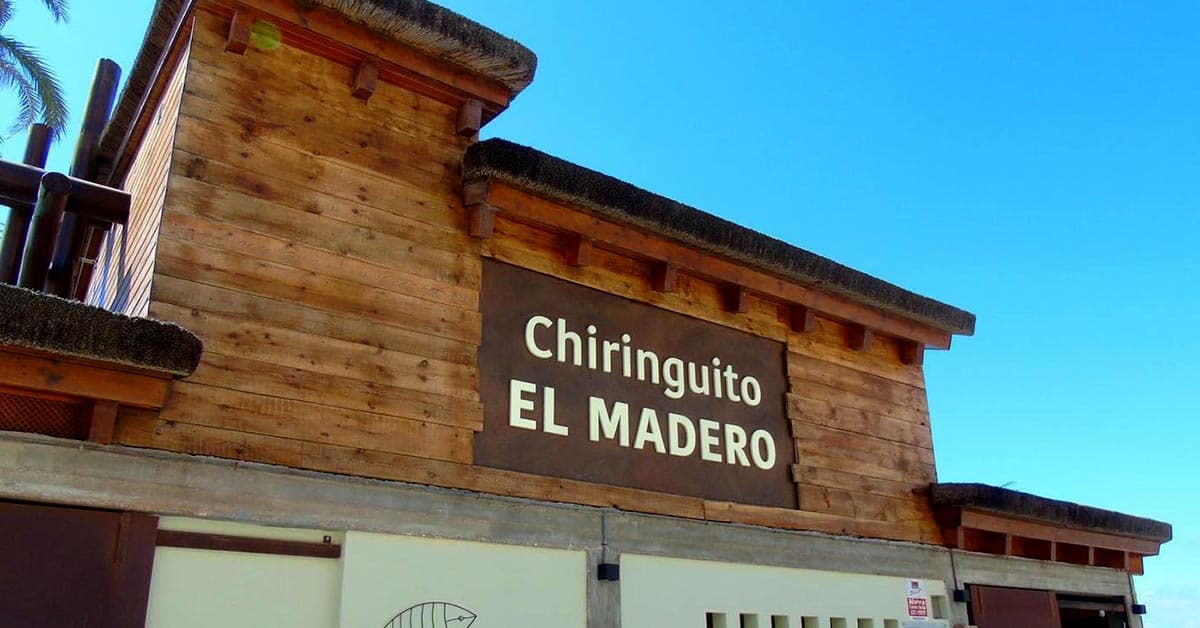
Chiringuito El Madero, Estepona
Nestled along the golden sands of Estepona, Chiringuito El Madero stands as one of the most charming beachfront restaura...