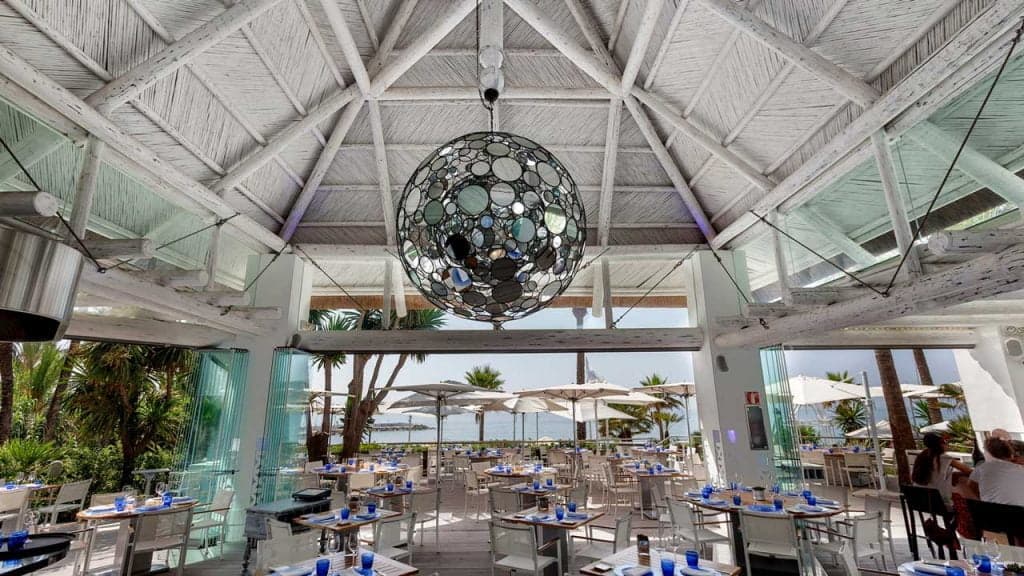
The Sea Grill Restaurant at Puente Romano Marbella stands today as one of the most captivating Mediterranean dining destinations on the Costa del Sol. With sweeping sea views, refined coastal elegance, and exquisite craftsmanship woven into every detail, this establishment has become a benchmark for luxury beachfront dining in Spain. But behind its transformation lies a remarkable story of architectural innovation, natural materials, and expert craftsmanship—one that redefined the essence of coastal luxury at the prestigious Puente Romano Beach Resort & Spa.
In 2012, the venue that once existed here—the former Hotel Puente Romano Beach Club—had lost its charm. Its once-celebrated interiors had become outdated, weighed down by dark wood, deteriorating roofing, and a style that no longer reflected the world-class standards of the resort. A complete reinvention was needed. Cape Reed, in partnership with architects ATD34 and a dedicated building team, set out to create what is known today as Sea Grill: a modern Mediterranean masterpiece seamlessly blending natural textures, high-end design, and exceptional structural quality.

Modern Mediterranean Elegance
When the project began, the aim was ambitious: to transform an aging beach club into a vibrant, upscale Mediterranean restaurant that celebrates the breathtaking blue horizon of the Costa del Sol. Every aspect of the structure had to be reimagined—from the roofing and timber to the colour palette and its relationship with the surrounding sea.
The Sea Grill today boasts:
- Panoramic views of the Mediterranean Sea
- A refined, whitewashed architectural aesthetic
- A luxurious poolside bar and outdoor swimming pool
- Elevated dining areas capturing the ambience of a modern coastal retreat
With its sophisticated architecture and handcrafted natural materials, the restaurant now aligns perfectly with the glamorous reputation of Puente Romano Marbella.

Clearing the Way: Removing the Old Heather Roof
The first stage of construction required clearing the existing structures of the aged and rotted heather roof. Years of exposure had rendered the material brittle, making the space unsuitable for a five-star resort environment.
Removing the deteriorated roofing involved:
- Clearing all heather roof remnants and debris
- Inspecting underlying timber structures
- Ensuring structural reliability for the new roofing load
This phase revealed the true condition of the underlying framework and paved the way for the installation of a premium, long-lasting roofing material.

Reinforcing the Timber Structure for Heavier African Reed Roofing
One of the most significant challenges of the renovation was preparing the original timber structures to bear the weight of the new Cape Reed thatched roofing. This natural African material is renowned not only for its durability and insulation properties but also for its substantial weight—approximately eight times heavier than the original heather roofing.
To safely support this enhancement, the structural team:
- Reinforced roof beams
- Strengthened support joints and load-bearing points
- Added structural brackets to increase stability
The upgraded framework was essential to support the luxurious, long-lasting thatch that would redefine the restaurant’s coastal appearance.

Installing Over 1600 Metres of Autoclaved Timber Battens
The installation of the African reed roof required precision and extensive preparation. Before the reed could be laid, more than 1,600 metres of autoclaved timber battens were fixed across all exterior roof sections. These battens provided the necessary foundation to secure the natural reed material and ensure a uniform, visually refined finish.
Key benefits of using autoclaved timber battens included:
- Enhanced durability and moisture resistance
- Protection against insects and decay
- Extended lifespan of the roofing system
This structural layer formed the backbone of the new roofing and was integral to meeting Cape Reed’s high standards of craftsmanship.

Covering Seven Roofs with African Reed
The scale of The Sea Grill’s roofing transformation was remarkable. The project required covering seven separate roof structures with an impressive 180mm thick layer of African reed, renowned for its sustainability, resilience, and natural beauty.
In total, the installation used:
- 27,817 bundles of African reed
- Crafted, trimmed, and secured by master thatching artisans
- Carefully layered to ensure a consistent 180mm depth
- Designed to deliver longevity, insulation, and an unmistakable coastal aesthetic
The result was a series of elegant, natural roofs that celebrate the texture and warmth of traditional reed craftsmanship—perfectly paired with the modern Mediterranean architecture of Puente Romano.
A Whitewashed Timber Finish for Coastal Sophistication
To enhance the renewed structure, the wooden framework was finished in a clean, elegant whitewash. This design choice not only brightened the entire space but also created a visual harmony between the natural reed roof, the turquoise Mediterranean waters, and the resort’s luxurious styling.
The benefits of the whitewashed finish include:
- A refined, modern Mediterranean aesthetic
- Increased light reflection for brighter, airy dining spaces
- A clean contrast with the natural, rustic reed roofing
- Visual integration with the architecture of Puente Romano
This timeless finish now defines the signature look of Sea Grill.

Summary
The transformation of the Sea Grill Restaurant at Puente Romano stands as a testament to how natural materials, structural expertise, and architectural insight can reshape a space into something truly extraordinary. With its African reed thatching, reinforced timber structures, whitewashed finishes, and breathtaking sea views, this project has redefined the meaning of luxury dining in Marbella.
It remains one of the finest examples of sustainable, elegant coastal design—and a jewel of the Costa del Sol.

About Cape Reed Team
Our expert team at Cape Reed Spain brings decades of experience in sustainable thatching and premium outdoor living solutions.
You Might Also Like
Discover more outdoor living inspiration
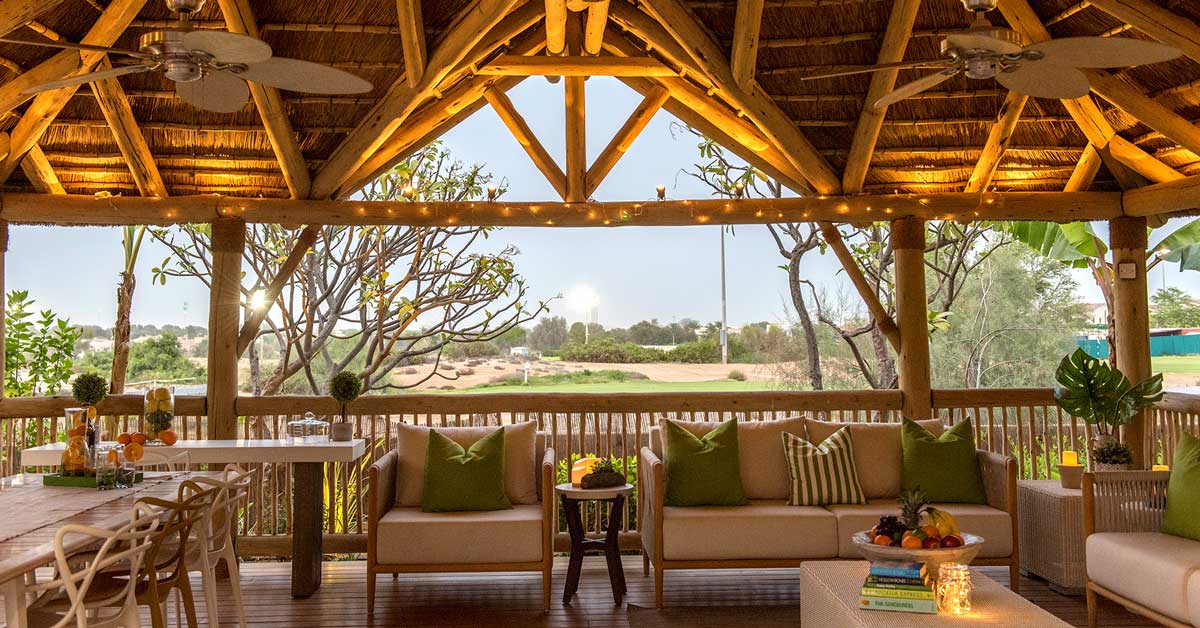
Why Thatched Gazebos Are the Perfect Shade Solution in Hot Climates
In hot climates, outdoor living is all about finding the right balance between comfort, functionality, and style. While ...
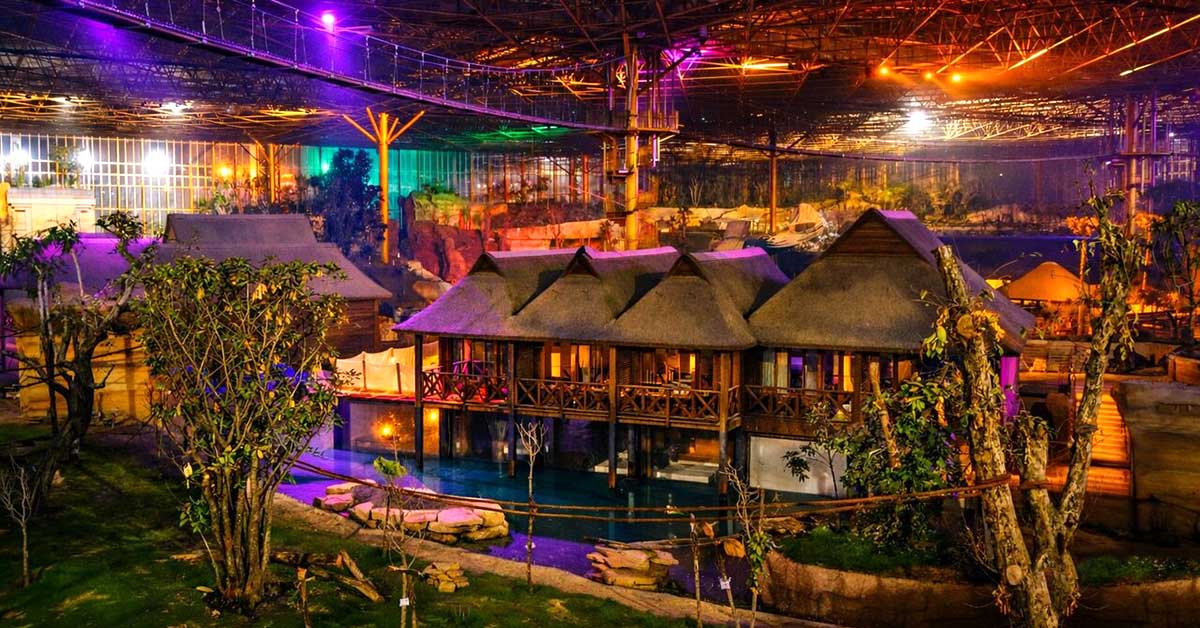
Edenya at Pairi Daiza in Belgium
Cape Reed has reached a defining milestone in Europe with the completion of its largest thatching project—beautiful natu...
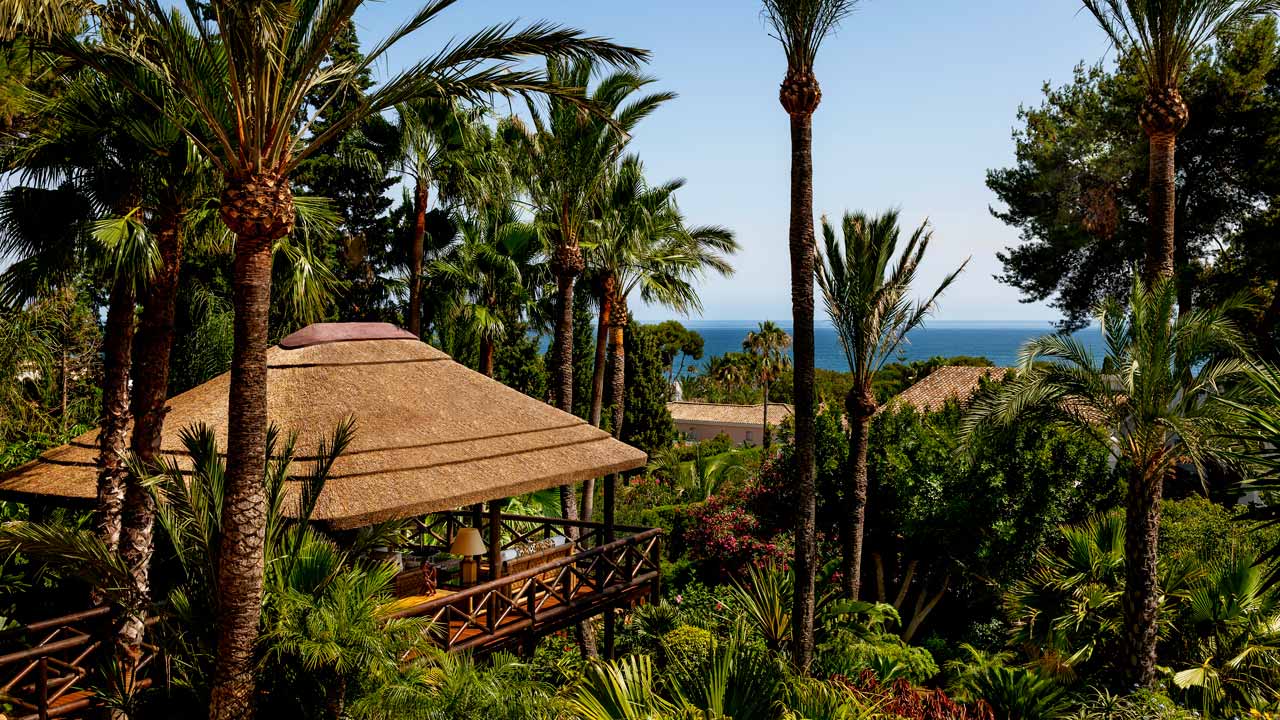
10 Dream Thatched Gazebo Designs to Inspire Your Outdoor Makeover
Across Europe, outdoor living is a way of life. From long Mediterranean lunches in Spain to relaxed summer evenings in F...