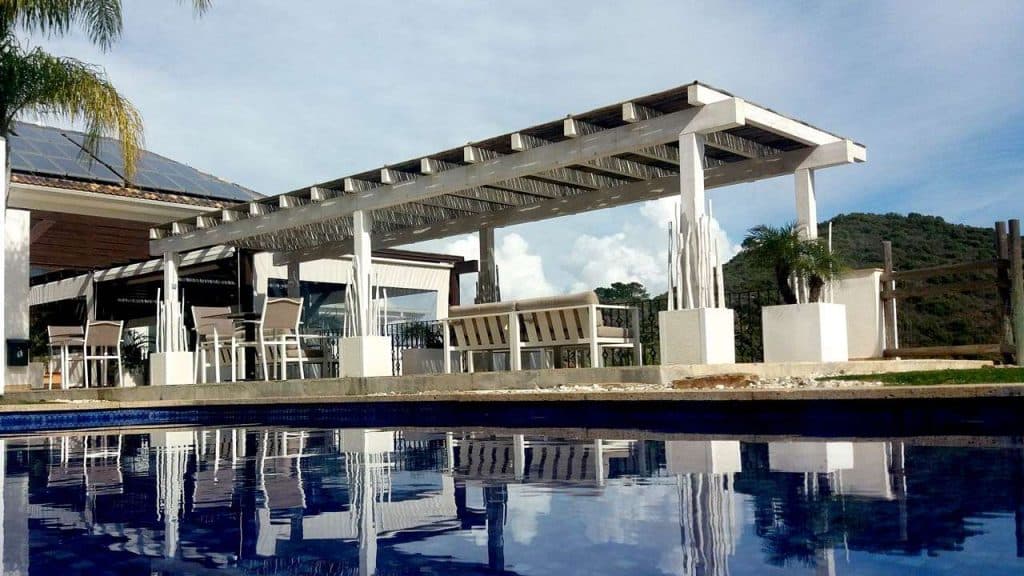
It is one of the first questions we hear from homeowners and business owners across Andalucía and the Costa del Sol: do I need a permit for a pergola or gazebo? The honest answer is that it depends. Rules in Spain are set largely at municipal level, so the same structure can be treated differently from one town to the next.
This guide explains the factors that decide the answer, so you know what to ask before you commit to a design. It is general information, not legal advice, and your local town hall (ayuntamiento) always has the final word.
1. Your municipality sets the rules
Each town hall applies its own urban planning rules (normativa urbanística). Some treat light, open timber structures as minor works that need only a simple notification or a minor works licence. Others apply stricter requirements, particularly for larger or fully roofed structures. The only reliable way to know is to ask your local planning department, or have your installer do it for you.
2. The type and size of the structure matter
Authorities usually look at a few practical points:
- Footprint and height – a small freestanding pergola is judged differently from a large gazebo.
- Open or enclosed – open-sided structures are generally viewed more lightly than ones with walls or glazing.
- Attached or freestanding – a pergola fixed to the house can count as an extension of the building.
- Distance from boundaries – setbacks from neighbouring plots and public roads often apply.
- Buildable area – your plot may have a limit on how much of it can be built on.
3. Community and urbanisation rules
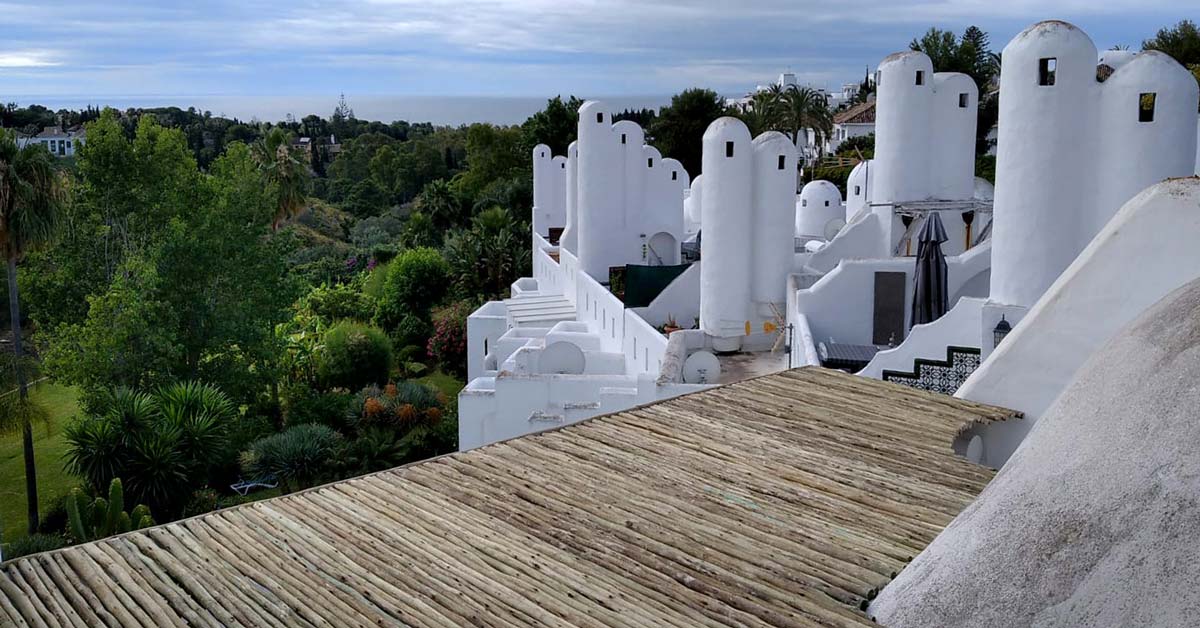
If you live in an apartment block or a gated urbanisation, you may need approval from your community of owners (comunidad de propietarios) for anything that alters the exterior look of the property or uses common areas. Even where the town hall has no objection, community statutes can restrict materials, colours or heights. Check your community rules early, because this is the step that most often surprises people.
4. Coastal and protected zones
Properties and venues close to the shoreline can fall under coastal legislation (Ley de Costas), which restricts building within defined protection zones and on the beach itself. Plots in protected natural areas or heritage zones can face additional rules. If you are near the coast, confirm your plot's status before designing anything.
5. Fire safety on natural materials
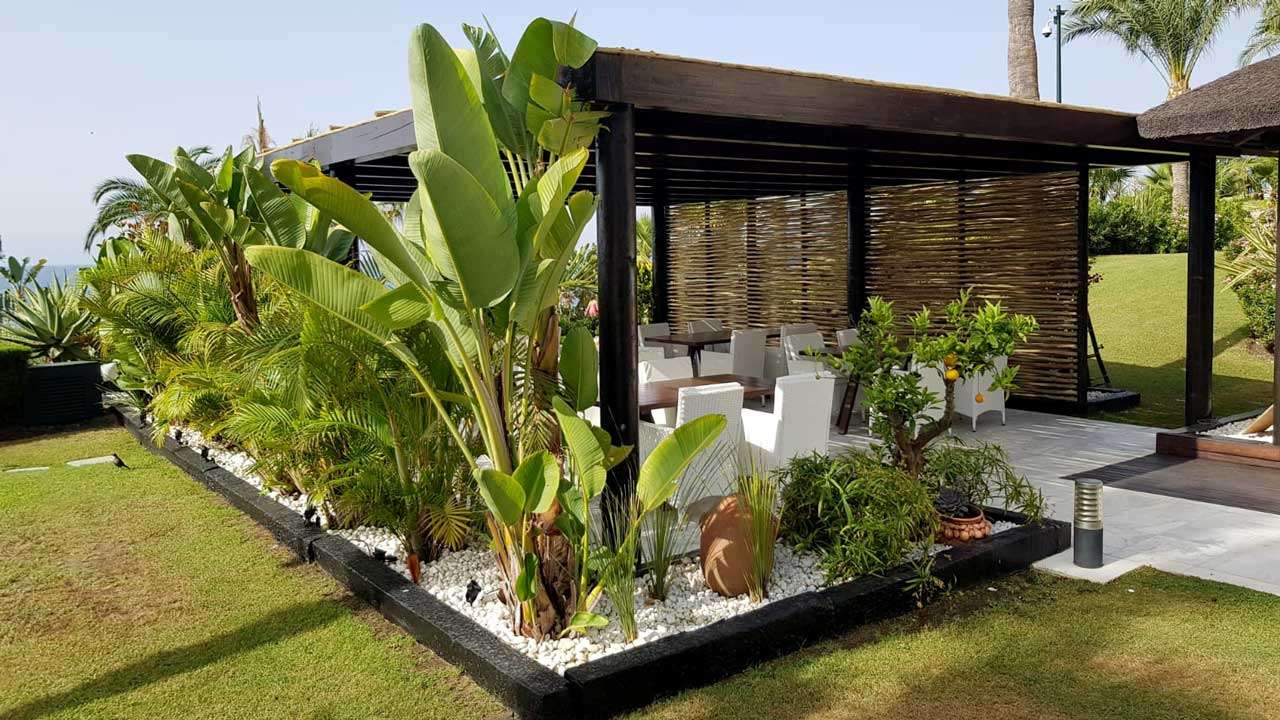
If your project includes a thatched gazebo or another structure with a natural thatch roof, fire safety is part of the conversation with authorities and insurers. Treating the roof with a fire-retardant coating such as Cape Reed Fireshield is an important part of that. Read more in our guide to how Fireshield works.
A simple checklist before you build
- Ask your town hall what applies to your plot and the structure you have in mind.
- Check your community statutes if you live in a shared development.
- Confirm whether your property is near the coast or in a protected area.
- Get a clear design with dimensions, so the authority can assess it.
- Tell your insurer about the new structure.
How Cape Reed can help
We design and build timber pergolas and thatched gazebos across Spain and Portugal, and we are used to working within local requirements. Send us your plot details and an idea of what you would like, and we will help you understand what to ask your town hall and prepare a design that is ready to submit if a permit is needed.
Contact the Cape Reed team to start the conversation.

About Cape Reed Team
Our expert team at Cape Reed Spain brings decades of experience in sustainable thatching and premium outdoor living solutions.
You Might Also Like
Discover more outdoor living inspiration
Mediterranean Pergola Trends for 2026
Outdoor living continues to shape the future of luxury architecture across Europe, and pergolas are now at the centre of...
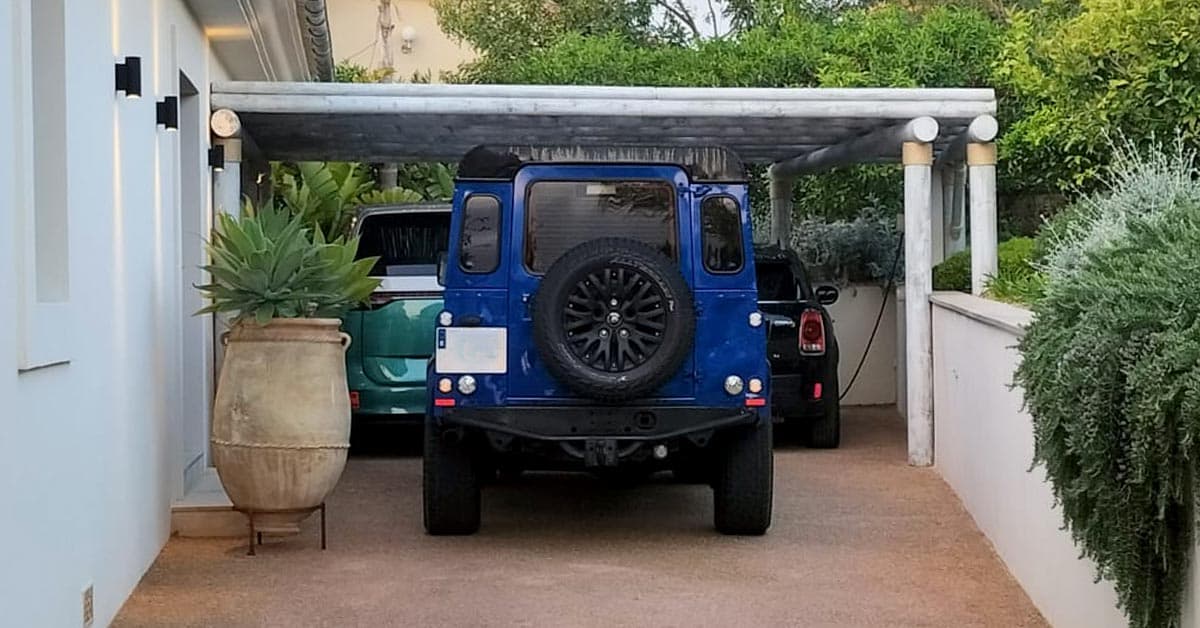
Wooden Pergola Applications in Spain & Portugal: Carports, Balconies & More
A wooden pergola is no longer a luxury extra in Spain or Portugal. Instead, it has become an essential architectural fea...
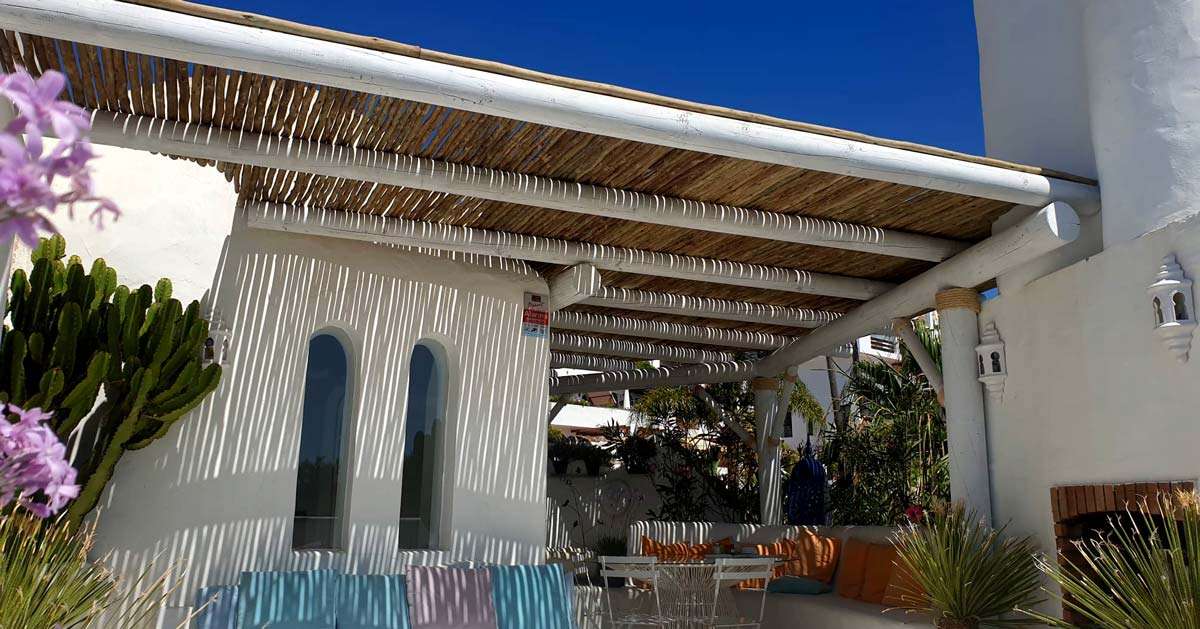
Designing the Perfect Pergola for Your Costa del Sol Villa
The Costa del Sol is famous for its sunny climate, Mediterranean lifestyle, and outdoor living culture. One of the most ...