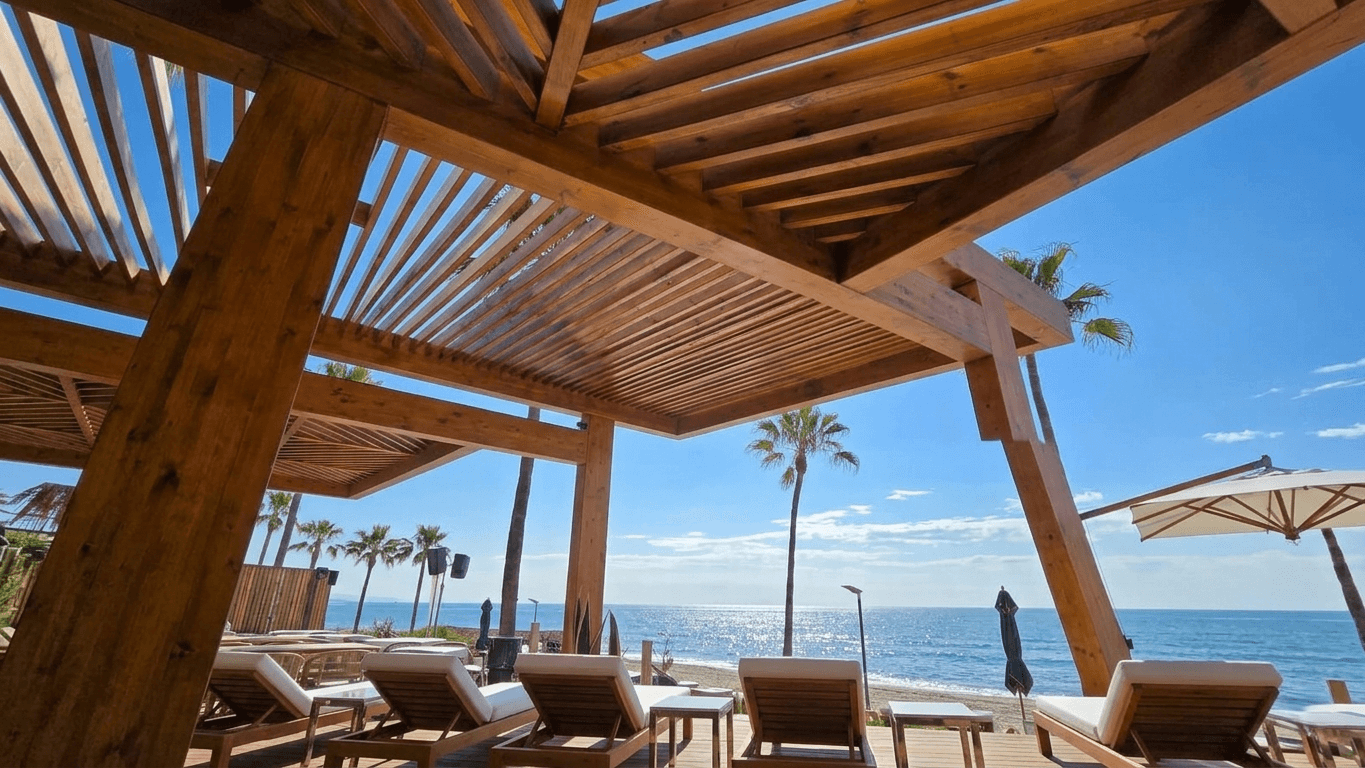
Outdoor living continues to shape the future of luxury architecture across Europe, and pergolas are now at the centre of modern Mediterranean design. In 2026, homeowners, architects, resorts, and hospitality developers are embracing pergolas not only as shade structures, but as fully integrated lifestyle spaces that combine sustainability, comfort, and timeless aesthetics.
Across Spain, Portugal, Italy, Greece, and Southern France, the demand for beautifully crafted outdoor structures is growing rapidly as property owners seek to maximise year-round outdoor living. The Mediterranean climate naturally encourages open-air lifestyles, making pergolas one of the most desirable additions to villas, hotels, restaurants, and beach clubs.
Here are the top Mediterranean pergola trends defining 2026.
1. Sustainable Natural Materials Take Centre Stage
Sustainability is no longer a luxury feature — it has become an expectation in European design. In 2026, natural timber, reed, and thatch materials continue to dominate outdoor architecture due to their environmental benefits and timeless Mediterranean appeal.
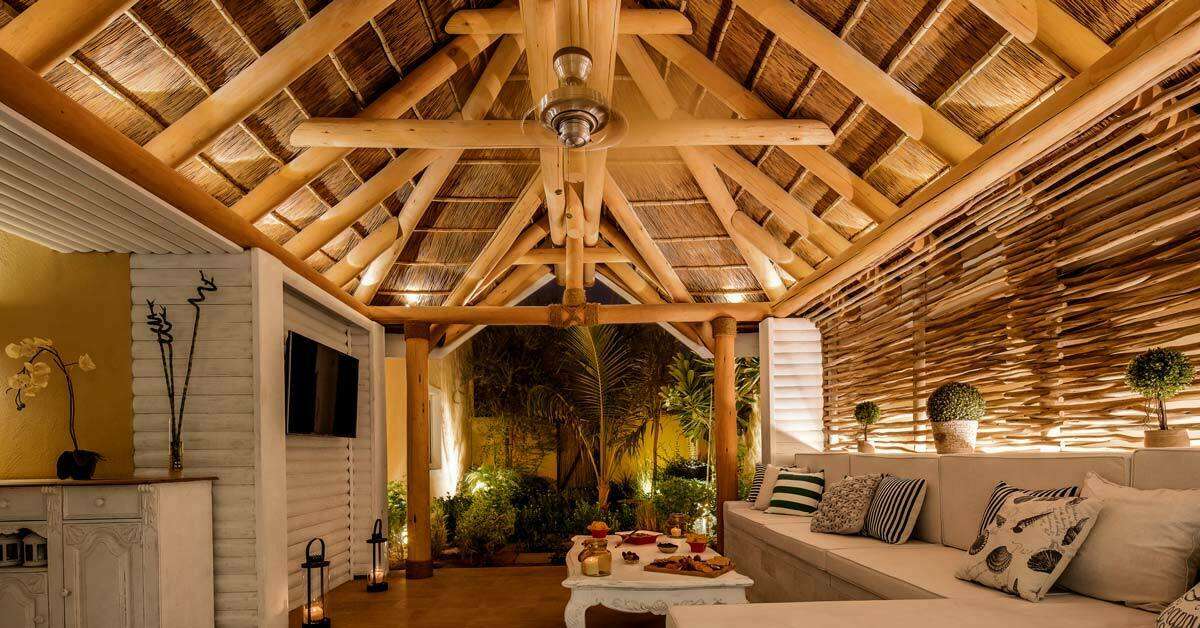
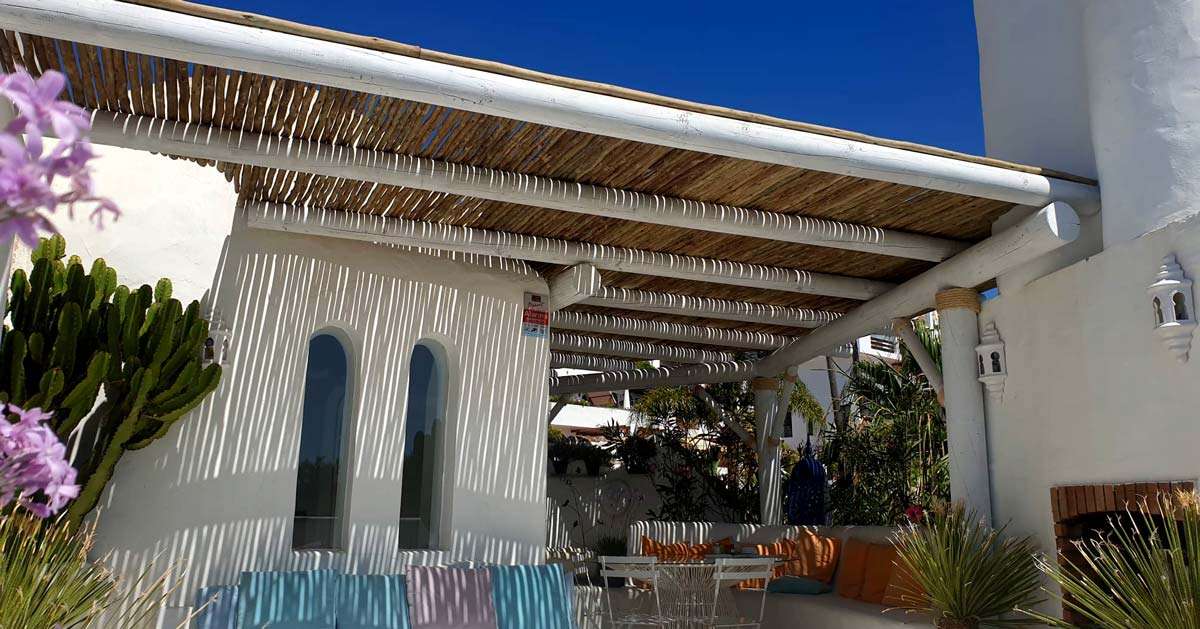
Architects and property owners are moving away from synthetic, mass-produced structures in favour of authentic materials that blend seamlessly into the surrounding landscape. Natural timber pergolas create warmth and texture while offering exceptional durability when properly treated for Mediterranean climates.
Thatch roofing and reed shading solutions are also becoming increasingly popular for luxury hospitality projects, eco-resorts, and coastal villas seeking a more organic and relaxed atmosphere.
2. Resort-Style Outdoor Living Spaces
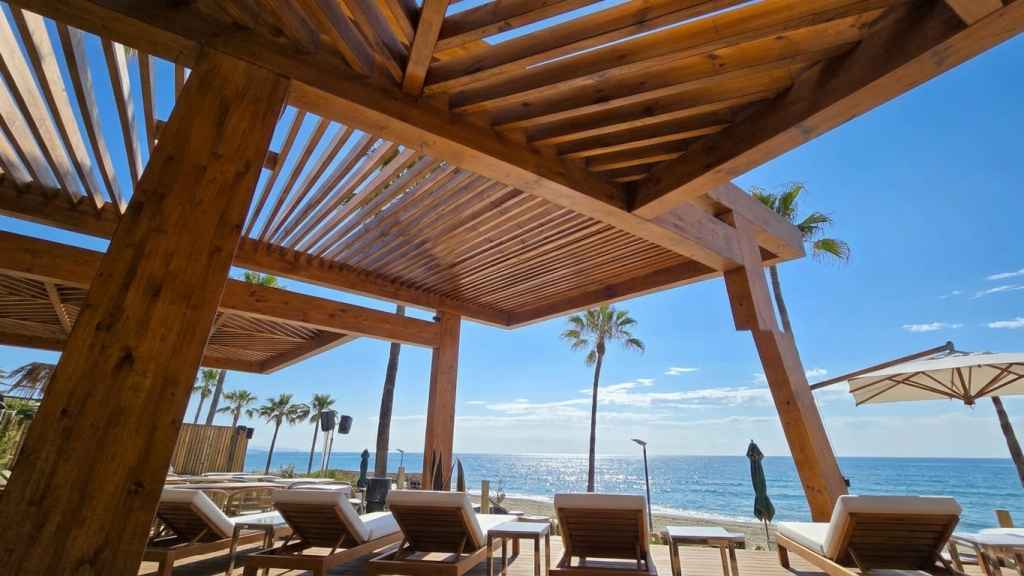
Pergolas in 2026 are evolving into complete outdoor lifestyle environments rather than standalone garden features.
Luxury homeowners are investing in:
- outdoor lounges
- shaded dining areas
- fully equipped outdoor kitchens
- integrated bars
- poolside relaxation zones
- wellness spaces
The goal is to create a seamless indoor-outdoor experience that mirrors the comfort and sophistication of high-end Mediterranean resorts.
Hotels and restaurants across Europe are also incorporating larger bespoke pergola structures to improve guest experiences while maximising outdoor seating capacity throughout the year.
3. Minimalist Mediterranean Design
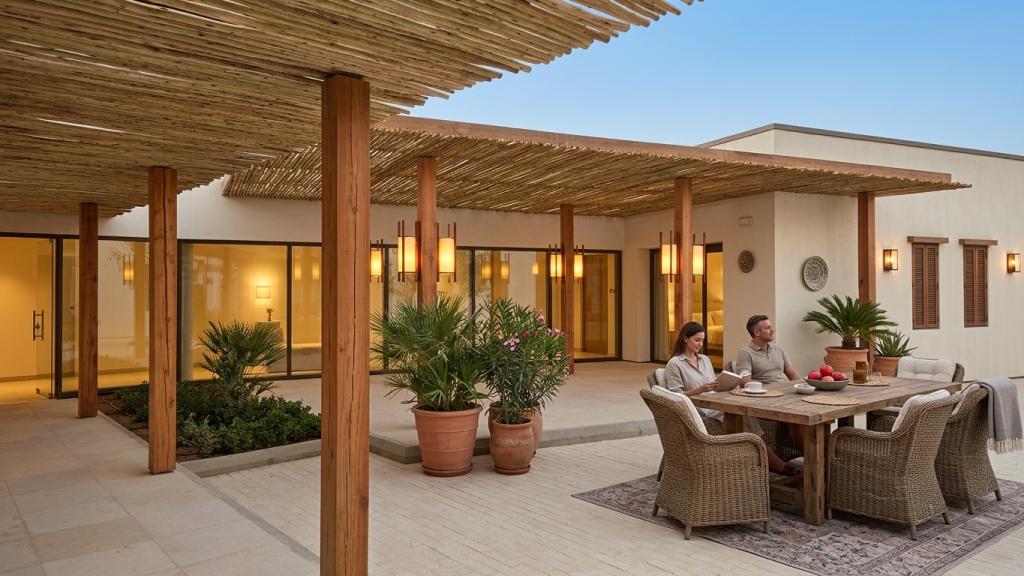
Modern Mediterranean architecture is shifting toward cleaner, more refined aesthetics.
For 2026, pergola designs are embracing:
- neutral earthy tones
- streamlined timber structures
- open-air layouts
- soft natural textures
- minimalist landscaping
This contemporary approach maintains the warmth and authenticity of Mediterranean style while aligning with modern European luxury design trends.
The result is a sophisticated outdoor environment that feels elegant, calming, and timeless.
4. Climate-Adaptive Pergola Solutions
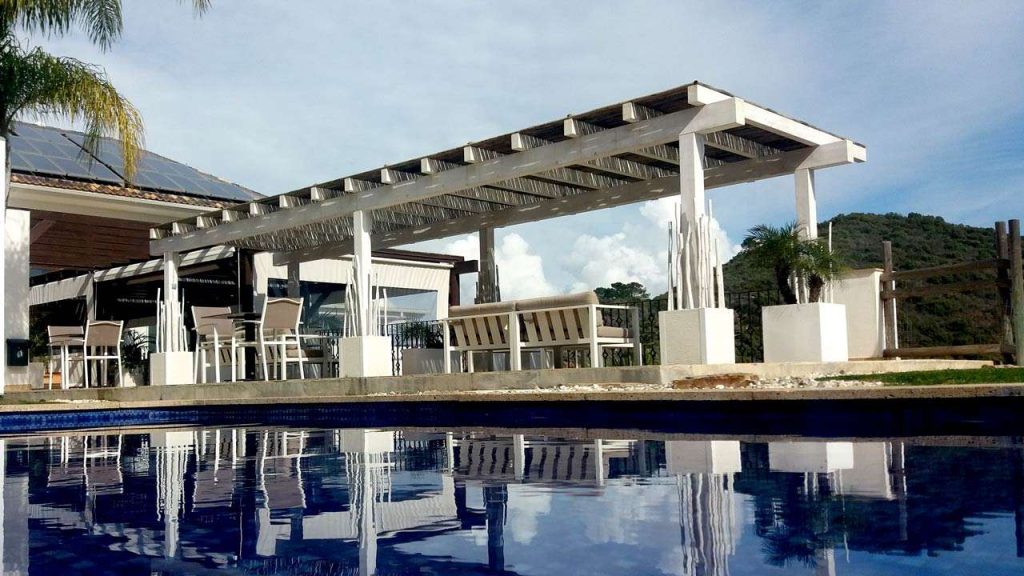
As temperatures continue to rise across Southern Europe, climate-responsive outdoor design has become increasingly important.
Pergolas are now being designed to:
- improve airflow and ventilation
- provide enhanced UV protection
- reduce heat exposure
- create cooler outdoor relaxation areas
Natural wooden pergolas remains particularly effective due to its insulating properties, helping maintain comfortable temperatures beneath outdoor structures even during peak summer months.
This trend is especially relevant for hospitality venues aiming to provide year-round comfort for guests in warmer Mediterranean destinations.
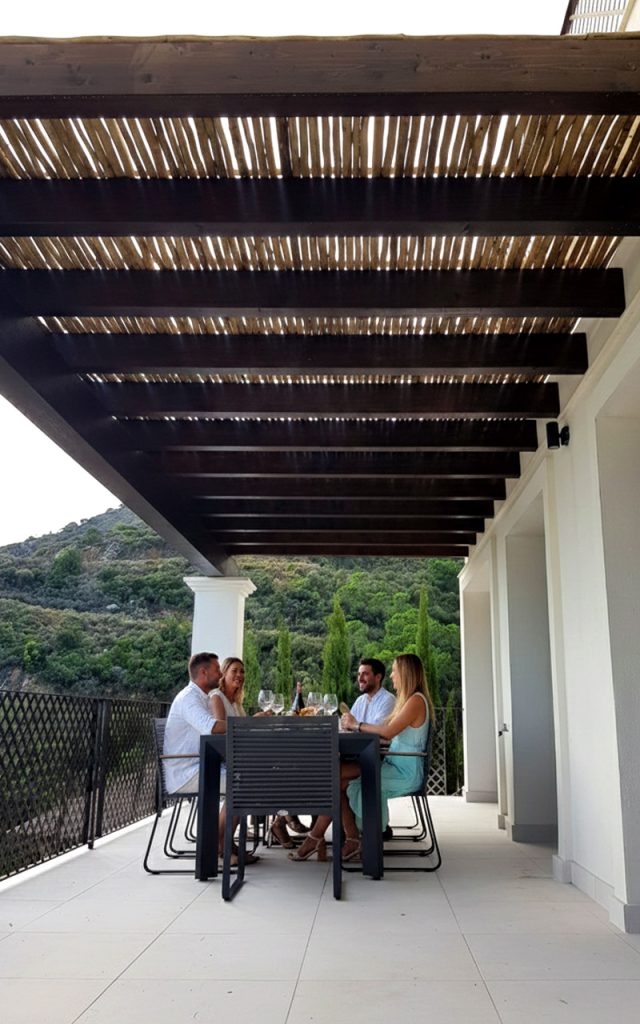
5. Integrated Lighting and Smart Outdoor Features
Technology is becoming an important element of luxury outdoor living.
In 2026, pergolas increasingly feature:
- integrated LED lighting
- concealed audio systems
- automated shading solutions
- outdoor heating
- smart lighting controls
These additions allow outdoor spaces to transition effortlessly from daytime relaxation to evening entertainment.
The emphasis remains on subtle integration that enhances the overall atmosphere without compromising the natural beauty of timber and thatch materials.
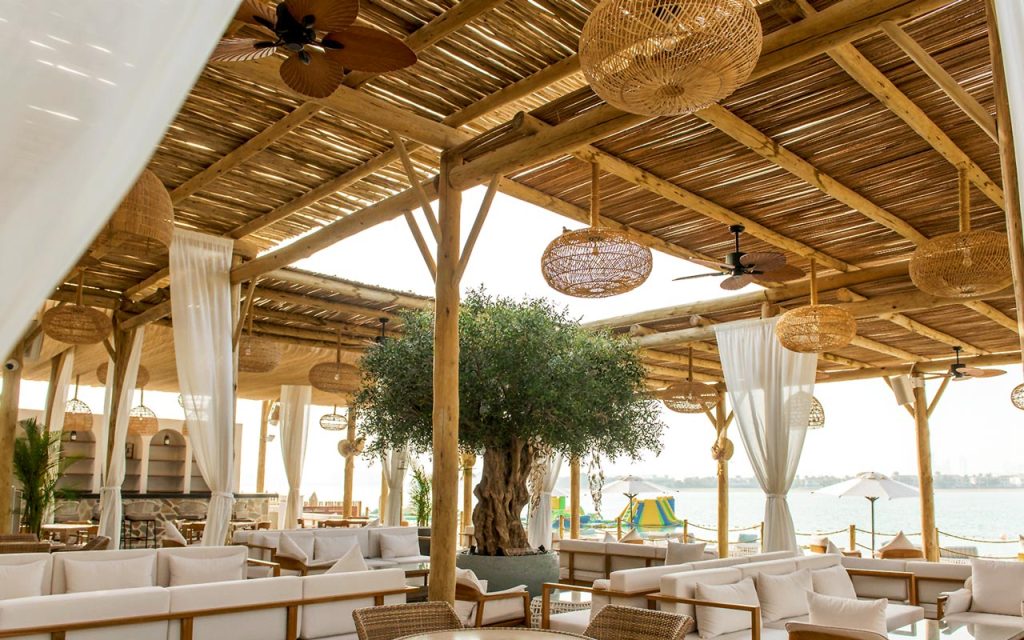
6. Bespoke Pergolas for Luxury Hospitality
European hotels, beach clubs, and restaurants are moving toward highly customised outdoor structures that reflect their brand identity and guest experience goals.
Bespoke pergolas are being designed to:
- create memorable guest spaces
- increase outdoor dining capacity
- enhance visual appeal
- strengthen sustainability credentials
- improve property value
Natural materials play a major role in helping hospitality venues achieve a more authentic Mediterranean aesthetic while appealing to eco-conscious travellers.
As experiential travel continues to grow, outdoor architecture has become a defining feature of luxury hospitality design.
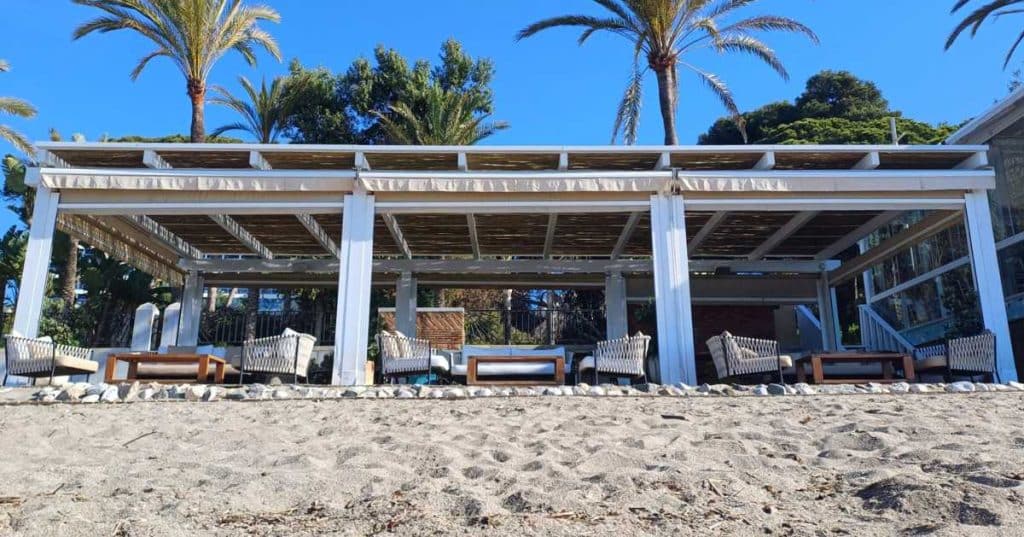
The Future of Mediterranean Outdoor Living
The pergola trends shaping 2026 reflect a broader movement toward sustainable luxury, wellness-focused design, and year-round outdoor living.
Across Europe, property owners are investing in outdoor spaces that combine:
- natural beauty
- functional comfort
- environmental responsibility
- timeless Mediterranean craftsmanship
Whether for private villas, hotels, restaurants, or resorts, bespoke pergolas continue to redefine how people experience outdoor living in Mediterranean climates.
At Cape Reed International, we believe outdoor architecture should feel both luxurious and deeply connected to nature — creating spaces that are built to be enjoyed for generations.
FAQ’s
Frequently Asked Questions

About Cape Reed Team
Our expert team at Cape Reed Spain brings decades of experience in sustainable thatching and premium outdoor living solutions.
You Might Also Like
Discover more outdoor living inspiration
Wooden Pergola Applications in Spain & Portugal: Carports, Balconies & More
A wooden pergola is no longer a luxury extra in Spain or Portugal. Instead, it has become an essential architectural fea...
Luxury Outdoor Features that Add Value to Your Property in Spain
In Spain, where the Mediterranean climate invites year-round outdoor living, a well-designed garden or terrace can be ju...
Designing the Perfect Pergola for Your Costa del Sol Villa
The Costa del Sol is famous for its sunny climate, Mediterranean lifestyle, and outdoor living culture. One of the most ...