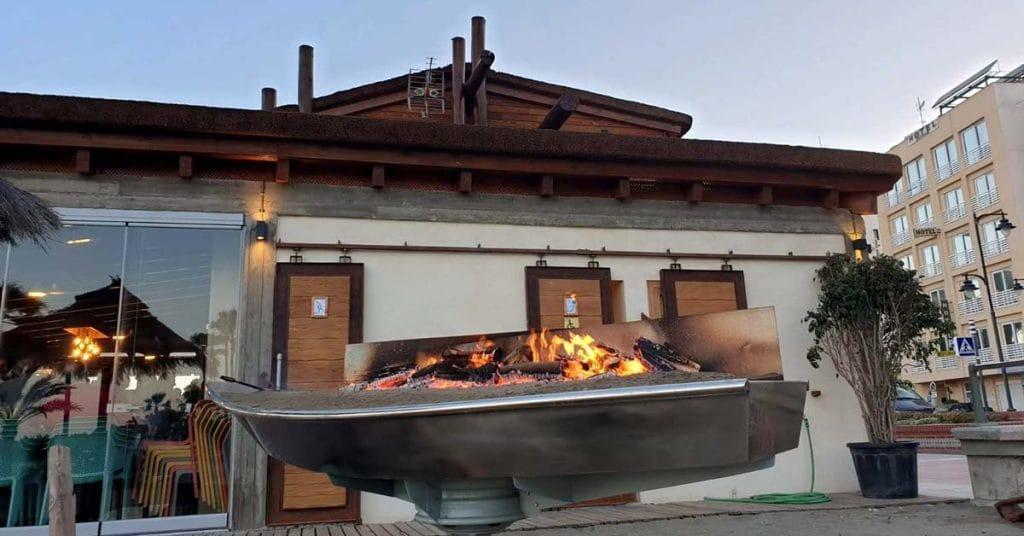
For beach bars, chiringuitos and restaurant terraces in Spain, the quiet months are not downtime. They are the window in which next summer's revenue is won or lost. A venue that opens in May with a fresh, shaded and welcoming terrace has a head start over one still finishing works in June.
Here is how to plan an off-season renovation so it is finished, approved and ready before the rush.
Why renovate in the off-season
- No lost trading days. Work does not compete with your busiest weeks.
- Better access and scheduling. Installers, suppliers and local authorities are less stretched.
- Time to get it right. Design, approval and build can happen without pressure.
- A stronger opening. New shade, atmosphere and photo-worthy spaces help from day one of the season.
A practical timeline
As a guide, Cape Reed's lead time is 6 to 8 weeks once the design and any permissions are agreed. Work back from your reopening date, and leave a buffer for approvals and weather.
- Autumn: define the brief. Decide what the terrace needs to do: more covered covers, better shade, a stronger look, or a bar and service area. Set a budget and a target reopening date.
- Autumn: check permissions. Confirm what approvals apply to your location. Venues close to the beach can face additional coastal rules, so start early. Our guide to pergola and gazebo permits in Spain covers the main factors.
- Early winter: design and quote. Agree dimensions, materials, roof type and finishes, and get an itemised quote.
- Winter: confirm your order. From here, allow 6 to 8 weeks for manufacture, delivery and installation. Confirming in winter, rather than spring, is what keeps a May opening safe.
- Late winter to early spring: installation. Structures go up, roofs are finished and treated, and lighting, fans and furniture are fitted.
- Before opening: final checks. Inspect, snag and handle any sign-off your venue requires.
The 6 to 8 weeks covers the build. Permits and community or coastal approvals can take longer, which is why the planning starts in autumn.
Choosing the right structure
- Thatched gazebos and bar structures give a distinctive beach-club atmosphere and keep covered areas noticeably cooler. See our comparison of commercial roofing materials.
- Thatch tiles can speed up installation of thatched roofs on larger projects. Read thatch tiles vs traditional thatching.
- Timber pergolas create flexible, shaded dining and lounge zones, with open lath, semi-shaded or waterproof tops depending on how much sun and rain protection you need.
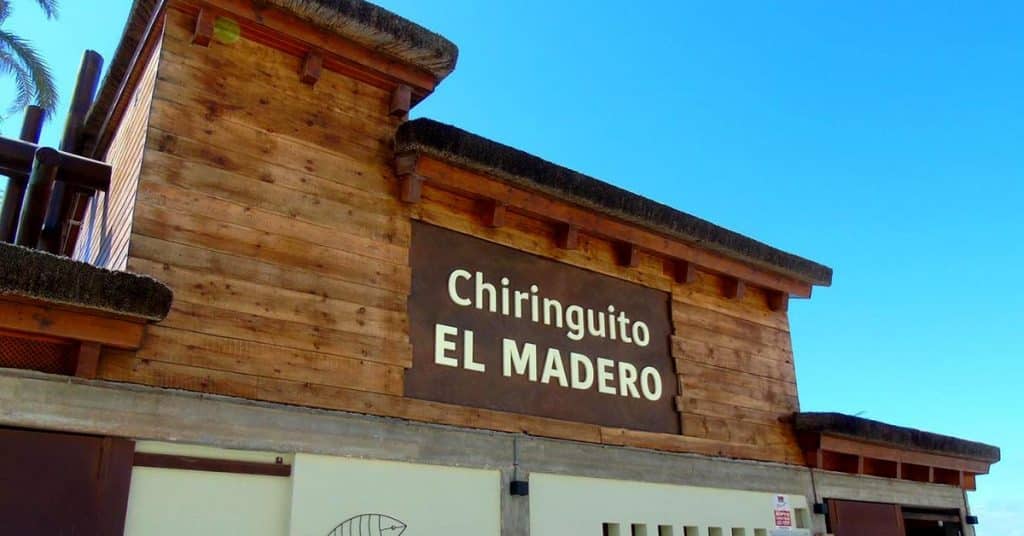
Do not overlook fire safety
Hospitality venues with natural thatched roofs should treat fire protection as a priority. A fire-retardant coating such as Cape Reed Fireshield is designed to reduce the risk and is worth discussing with your insurer. See Fireshield explained.
Questions to ask any contractor
- Can you work to my reopening date, and what happens if it slips?
- What is included: design, delivery, groundwork, installation, treatment?
- Have you built comparable venues, and can I see them?
- What guarantee and aftercare do you offer?
Start planning your renovation
Cape Reed has built terraces, beach bars and hospitality spaces across Spain and beyond. With a lead time of 6 to 8 weeks, the earlier we start, the more room you have. Tell us about your venue and your target opening date, and we will help you work backwards from it.

About Cape Reed Team
Our expert team at Cape Reed Spain brings decades of experience in sustainable thatching and premium outdoor living solutions.
You Might Also Like
Discover more outdoor living inspiration
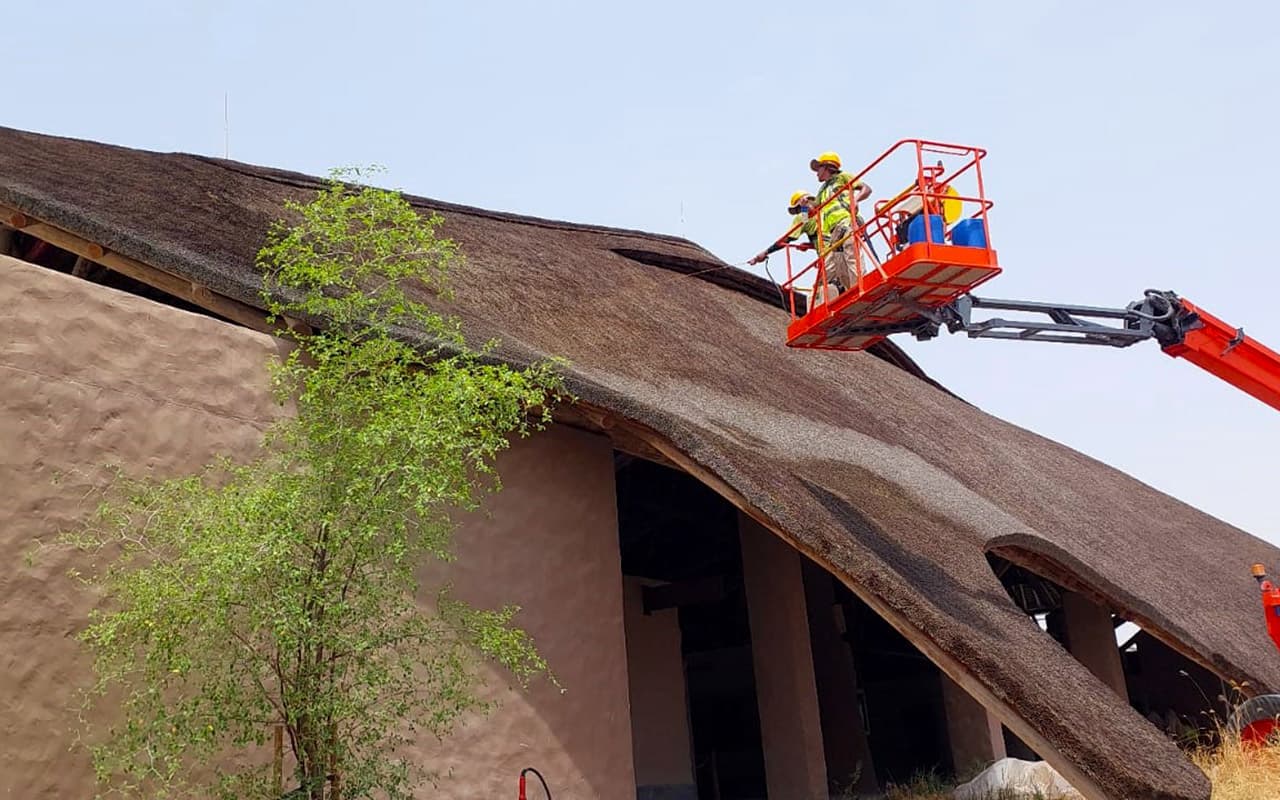
Fireshield Explained: How Thatched Roofs Meet Spain’s Fire Regulations
Of all the questions we receive from architects, property developers, and homeowners considering thatched roofing in Spa...

What is Fireshield and Why Every Thatch Roof in Spain Needs It
Thatched roofs are having a well-deserved renaissance across Spain and Europe. From luxury villas on the Costa del Sol t...
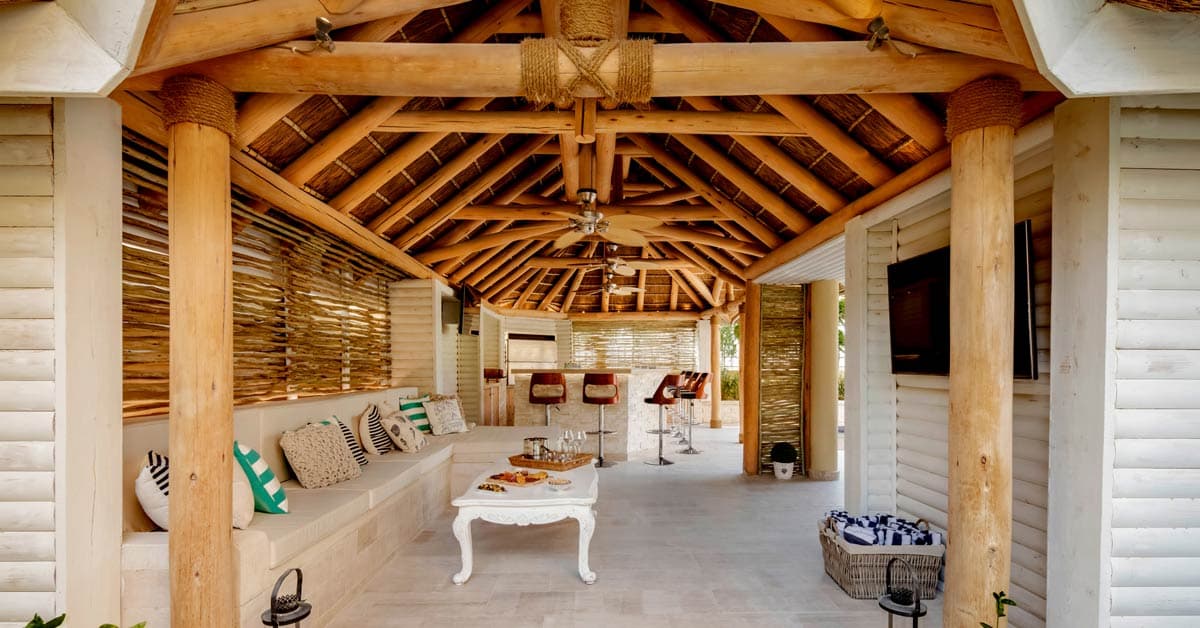
Sustainable Outdoor Living: How Timber and Thatch Support a Greener Lifestyle
Sustainability is no longer just a trend—it’s a necessity. In Spain and across Europe, homeowners are seeking ways to li...